
In South Texas, we’re no strangers to flooding—but that doesn’t make the results any less heartbreaking. Even a few feet of water can make a home unlivable and destroy decades of family heirlooms and memories.
To protect against flooding, our team at Clint Tucker Homes often incorporates elevated foundations into our custom homes. While this design offers a natural defense against flooding, it has additional benefits that can make it a smart decision for homes in any location.
Let’s dive into the nitty gritty of what makes an elevated foundation valuable.
What Is an Elevated Foundation?
A strong foundation is essential for stability and support for any house. There are several kinds of foundations a house can have, including:
- Slab foundation: A thick slab of concrete that is poured directly on the ground.
- Basement foundation: When an underground floor acts as the foundation for the house.
- Elevated foundation: When the foundation is raised a few feet above the ground.
Elevated foundations are a great choice in flood-prone areas or places with unstable soil. However, not all elevated foundations are the same.
Crawl Space Foundation Vs. Pier and Beam Foundation
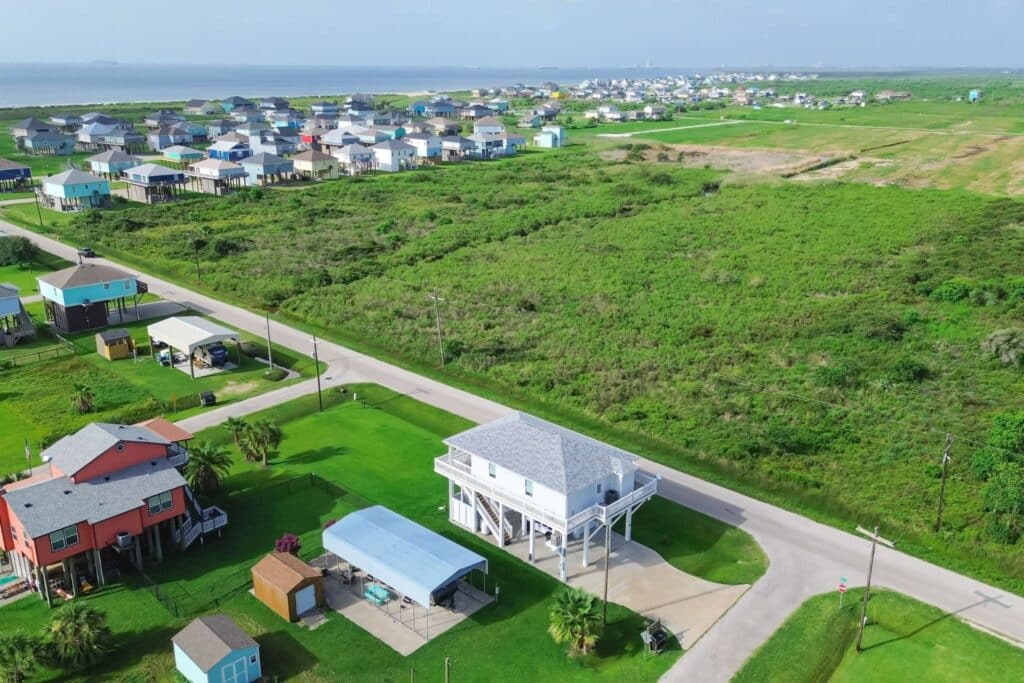
There are two main types of elevated foundations seen in Texas: crawl space and pier and beam foundations. They’re very similar in that they both lift the house several feet above ground level. This is achieved by building the home’s first floor on a series of columns.
After the foundation is completed, builders can either leave the foundation as-is, or they can build walls around it. If they leave it open, this is a pier and beam-style foundation. If they enclose it, they’ve created a crawl space foundation, which gets its name because the space is too small to stand up fully.
Pier and beam foundations are ideal for the most flood-prone areas, while crawl space foundations are a good fit for areas that could flood but have a lower likelihood.
Benefits of an Elevated Foundation
What is an elevated foundation’s main benefit? Well, in addition to offering a protective measure against flood damage, elevated foundations also provide extra support against the strong winds that a storm can bring. Additionally, if there’s any erosion caused by a heavy rainfall, the beams provide added stabilization for the house.
Yet this type of foundation is a good choice beyond storm season. Elevated foundations can also make home repairs a whole lot easier. This is because electricians, plumbers, HVAC technicians, and savvy DIY homeowners can access everything they need to in the crawl space.
Another perk of crawl space? Extra storage space for items you only need a few times a year.
Drawbacks of an Elevated Foundation
Despite the many benefits, there are some downsides to having a foundation lifted above the ground. Most enclosed crawl spaces are built with a type of moisture barrier. However, if this isn’t installed properly, this area can become very damp. High levels of moisture can lead to mold, and this contaminated air can make its way upstairs into your home. These damp conditions can also lead to wood rot or provide a safe haven for pests, bugs, and vermin.
Pier and beam foundations actually help with moisture issues, as the open air allows the breeze to carry any moisture out. However, this open air isn’t temperature regulated, which means when it seeps up into your home, your A/C or heater needs to work extra hard to keep your home at one temperature. This can lead to higher energy costs.
Specialists in elevated foundations, however, know strategies to mitigate these downsides.
Partner with an Experienced Elevated Foundation Construction Company
When a home with an elevated foundation is built correctly, many homeowners only experience the positives of living above ground level. At Clint Tucker Homes, we’ve built many elevated foundation homes and have many happy customers who can attest to the peace of mind these houses bring. If you want to learn what an elevated foundation in your new home could look like, reach out to us today.