
Living on the Gulf means dealing with heat that sticks around most of the year, humidity that never really lets up, and electric bills that seem higher than they should be. Many homes in the Corpus Christi area weren’t built with those conditions in mind, which is reflected in how hard air conditioners have to work just to keep things comfortable.
Whether you’re updating an older house or planning a new build, the right choices can make a significant difference in energy efficiency. At Clint Tucker Homes, we believe in building homes the right way from the beginning, and we’re happy to share our tips for dialing in your energy efficiency in the sticky Gulf climate.
Obstacles to Efficiency on the Gulf Coast
Homes on the Texas Gulf Coast deal with stress all year, not just during summer. Heat pushes cooling systems to run longer, while humidity works its way into walls, attics, and ductwork. Salt in the air adds another layer of wear on homes and HVAC systems, especially on exterior materials and equipment. All of that drives energy use up and shortens the life of a home’s components.
Energy-efficient design helps protect against those pressures. It keeps monthly bills in check, improves indoor comfort, and helps materials hold up longer. The key is building or renovating with the local climate in mind instead of fighting it.
Renovations to Improve Efficiency in Existing Homes
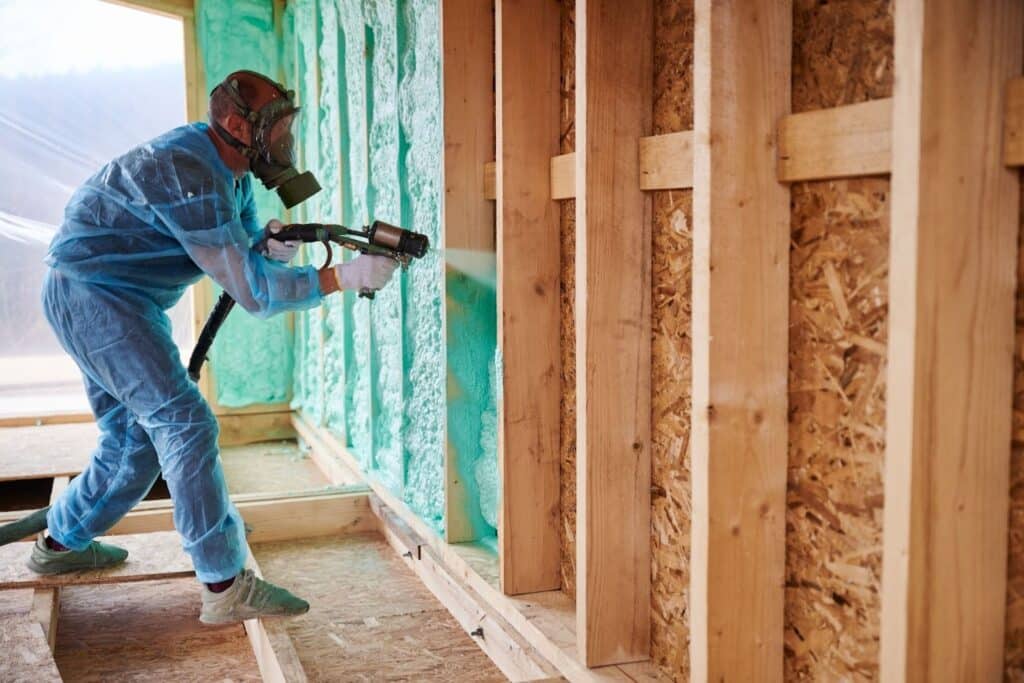
Renovations are some of the most common upgrades you can make to existing homes. Older homes often lack enough insulation, or they have it in the wrong places. Poor installation, compression, or uneven coverage let hot, humid air sneak in and undo the benefit. When insulation is properly installed, however, your cooling system doesn’t have to fight the Texas heat nonstop. Just make sure you’re using the right type of insulation: spray foam.
Another easy improvement is to seal up small gaps around windows, doors, and ductwork, which can pull cooled air out and invite hot air in, which forces your AC to run longer. Tiny gaps can appear in older homes due to foundation settling, improper installation, or poor quality materials, so make sure to check these areas and seal them off with caulk or another type of sealant for an easy efficiency upgrade.
Finally, energy-efficient glazing helps block solar heat before it enters your home. Upgraded windows and doors reduce hot spots, cut glare, and keep indoor temperatures more consistent throughout the day.
Remodeling with Energy Efficiency in Mind
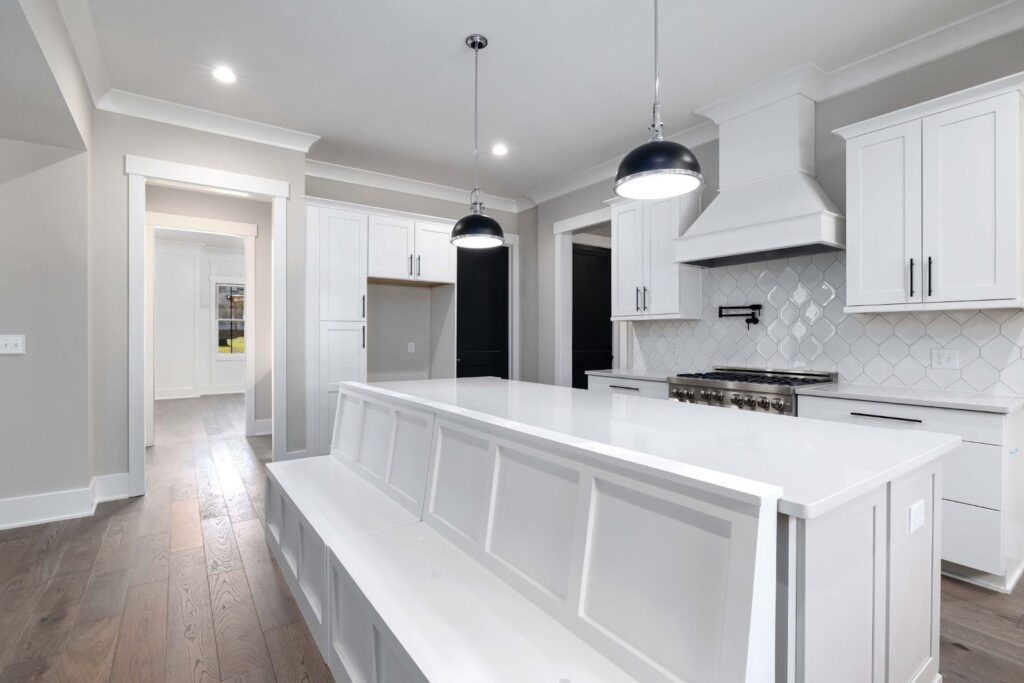
Remodeling gives you a chance to improve more than just how a space looks. Furthermore, when upgrades are coordinated and work together, you avoid piecemeal fixes and wasted spending.
- Start with appliances: Energy-efficient refrigerators, dishwashers, and ventilation fans use less power and handle humidity better.
- Look at heating and cooling: A remodel creates the right opportunity to right-size HVAC equipment so it cools evenly without running nonstop. Improving duct layout and airflow helps each room stay comfortable instead of overcooled or stuffy.
- Plan for moisture control: Proper ventilation in kitchens, bathrooms, and laundry areas reduces humidity before it spreads through the house.
Building a Custom Home Designed for Efficiency
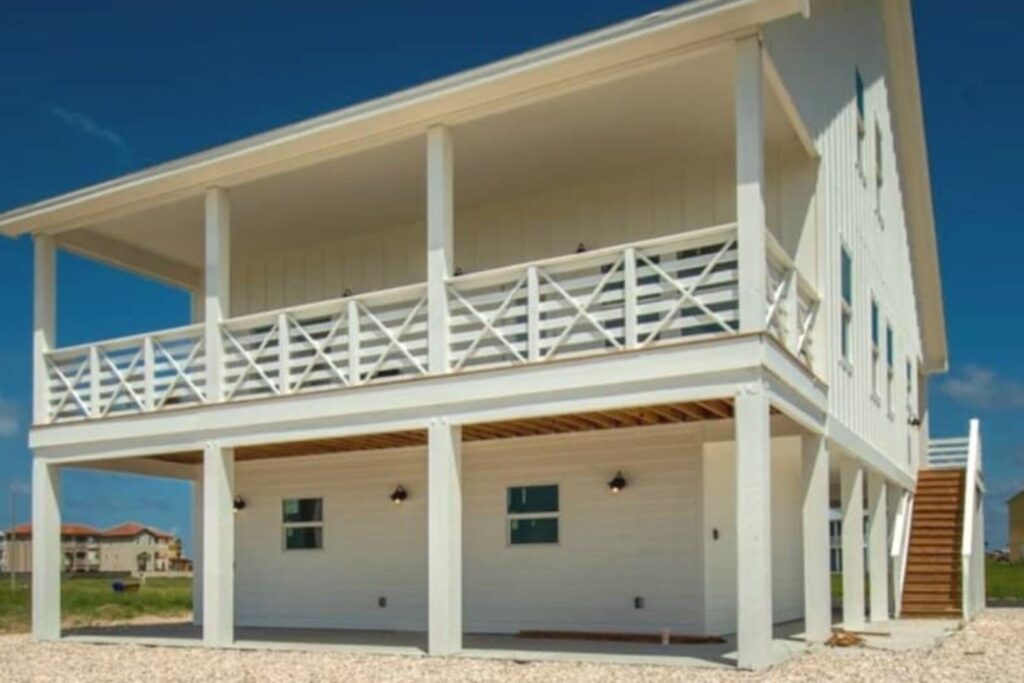
If you’re looking to start from scratch, a custom home gives you the chance to get energy efficiency right from day one. Efficient home design starts with orientation and shade. Placing the home to limit direct sun and using overhangs or covered outdoor spaces helps blunt heat gain before it reaches the walls.
From there, a strong building envelope does the heavy lifting. Proper insulation, reflective roofing, and tight, sealed construction keep conditioned air inside where it belongs. Finally, efficient HVAC systems paired with dedicated humidity control handle Gulf Coast conditions without running nonstop. While these choices can add to upfront costs, they will pay for themselves over time with lower utility bills and lower HVAC maintenance and replacement costs.
According to the U.S. Environmental Protection Agency, homes that earn ENERGY STAR certification use about 20–30% less energy than typical new homes built to code, which translates into lower utility costs and improved performance for homeowners. Add in the potential for local and federal rebates, and you’re looking at highly significant cost savings year over year.
Clint Tucker Helps You Build for the Coast
Energy efficiency on the Gulf Coast is a central pillar to building a home that lasts, stays comfortable, and doesn’t drain your wallet month after month. Whether you’re renovating an older house, remodeling key spaces, or starting fresh with a custom build, the right decisions make a huge difference in how your home performs in this climate. The key is having a plan that looks at the whole house, not just one part. Clint Tucker Homes brings local experience and practical solutions to every project, helping homeowners build and remodel with the Gulf in mind. If you’re ready to lower utility bills and improve comfort, it’s time to start the conversation.