
When you begin designing your home on the Gulf Coast, the laundry list of building codes to follow can seem overwhelming. While these regulations may seem tedious, each was put into place for a specific reason. These building codes protect your home from fire, flooding, hurricanes, and structural risks; and many of them were enacted after a disaster destroyed hundreds or thousands of homes.
To keep your home and family safe, work with experienced, licensed custom home builders who deeply understand Texas coastal building codes. They will ensure you meet every code—and can even recommend additional measures to surpass the bare safety minimums.
The Most Important Building Codes for Homeowners to Know
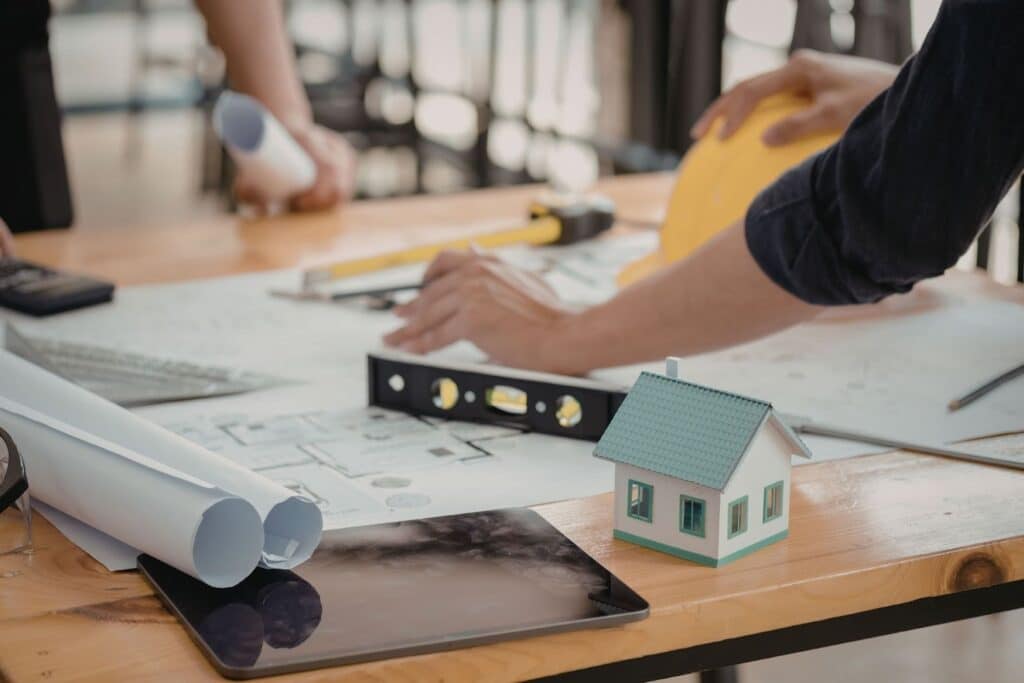
Of the dozens of building codes, the most important for you to know are those related to high winds, flooding, and corrosion prevention.
High Wind Resistance
There are 14 coastal counties in Texas, including Nueces County, that are designated as “catastrophe areas” because of the potential of severe weather events. This means that the roofing, exterior coverings, siding, doors, and garage doors must be installed in accordance with the manufacturer’s requirements for a heavy-wind area.
An experienced builder can ensure that every precaution is taken to install these fixtures as securely as possible.
Flooding Deterrence
Severe flooding is a real risk for any homeowner along the Gulf Coast. However, if you’re building in a flood zone, you have even more stringent regulations you need to follow. These include:
- Elevating the finished floor to at or above base flood elevation plus one foot
- Designing the home to prevent flotation, collapse, or lateral movement of the structure resulting from hydrodynamic and hydrostatic loads
- Constructing the house with materials resistant to flood damage
Ask your building team if every precaution is being taken to safeguard your home from flooding risk.
Corrosion Prevention
Constant exposure to salty air can break down metal and other materials far faster than regular wear and tear. Corrupted metal can lead to structural instability and serious safety concerns.
To protect the metal in your home as much as possible, local codes require structural steel to undergo a special treatment of “being hot-dipped galvanized after fabrication.” This means the metal is fully submerged in molten zinc, which protects the steel from corrosion. Any experienced home builder will only work with steel that meets these requirements.
Why Were These Codes Put in Place?
Over the past few centuries, Texas has endured several horrific weather-related disasters. While these were tragedies, scientists and architects learned valuable information from assessing the damage. For example, the Great Galveston Hurricane of 1900 completely decimated the budding community of Galveston. It’s estimated that upwards of 8,000 people died from the hurricane, with many trapped inside collapsed homes. The calamity led to a push for buildings that can withstand previously unimaginable wind gusts.
In 1983, Hurricane Alicia struck the Galveston area once again. While there were far fewer deaths (21 perished from the storm), the property damage was extensive. More than 2,000 homes and apartments were destroyed, and 2,000 panes of windows were shattered on high-rise buildings around the city from pieces of gravel that were picked up by the winds. The storm led to local cities regulating what gravel can be used and pushed residents to request houses designs that can stand up against more frequent hurricanes.
Choose an Experienced Builder for Your Custom Home
When you hire an insured and bonded company with decades of experience, you’re not just hiring a skilled builder. You’re also acquiring their deep knowledge base of local laws, regulations, and Texas coastal building codes.
For 15 years, Clint Tucker Homes has been building, renovating, and remodeling homes in the Corpus Christi area. We pride ourselves on staying up-to-date on everything that impacts our clients, including building codes and permitting. Contact us today to see how we can help you build your dream home while meeting all the regulations that will keep your family safe.